🎭 Seedance 2.5 vs Meta Muse Video: Honest 2026 Verdict
Meta's Muse Video does face cloning at $19/month. Seedance 2.5 does 30-second production shots. We use one daily — here's which job each actually wins.

Jordan Reyes · AI Video Producer
· Updated · 5 min read
⚡ TL;DR — quick answers
- Is Meta Muse Video better than Seedance 2.5?
- They do different jobs. Muse Video builds a video around a specific person's face from uploaded photos — that is its entire reason to exist. Seedance 2.5 builds production shots with camera language, 30-second single passes and up to 50 reference inputs. If you need yourself on camera, Muse wins. If you need a scene, Seedance wins.
- How much does Meta Muse Video cost?
- Coverage of the July 7, 2026 launch puts it at roughly $19/month, positioned squarely at creators and influencers rather than studios. Seedance is typically bought through per-second API pricing or bundled platform credits — Seedance 2.0 ran around $0.06 per second. Verify both against current published rates before committing.
- Can Seedance 2.5 clone a face like Muse Video?
- Not the same way. Seedance holds identity through reference inputs — you attach character images and it keeps that character consistent across shots. Muse Video generates the likeness itself from a photo set. Reference consistency is a production technique; face cloning is a product feature.
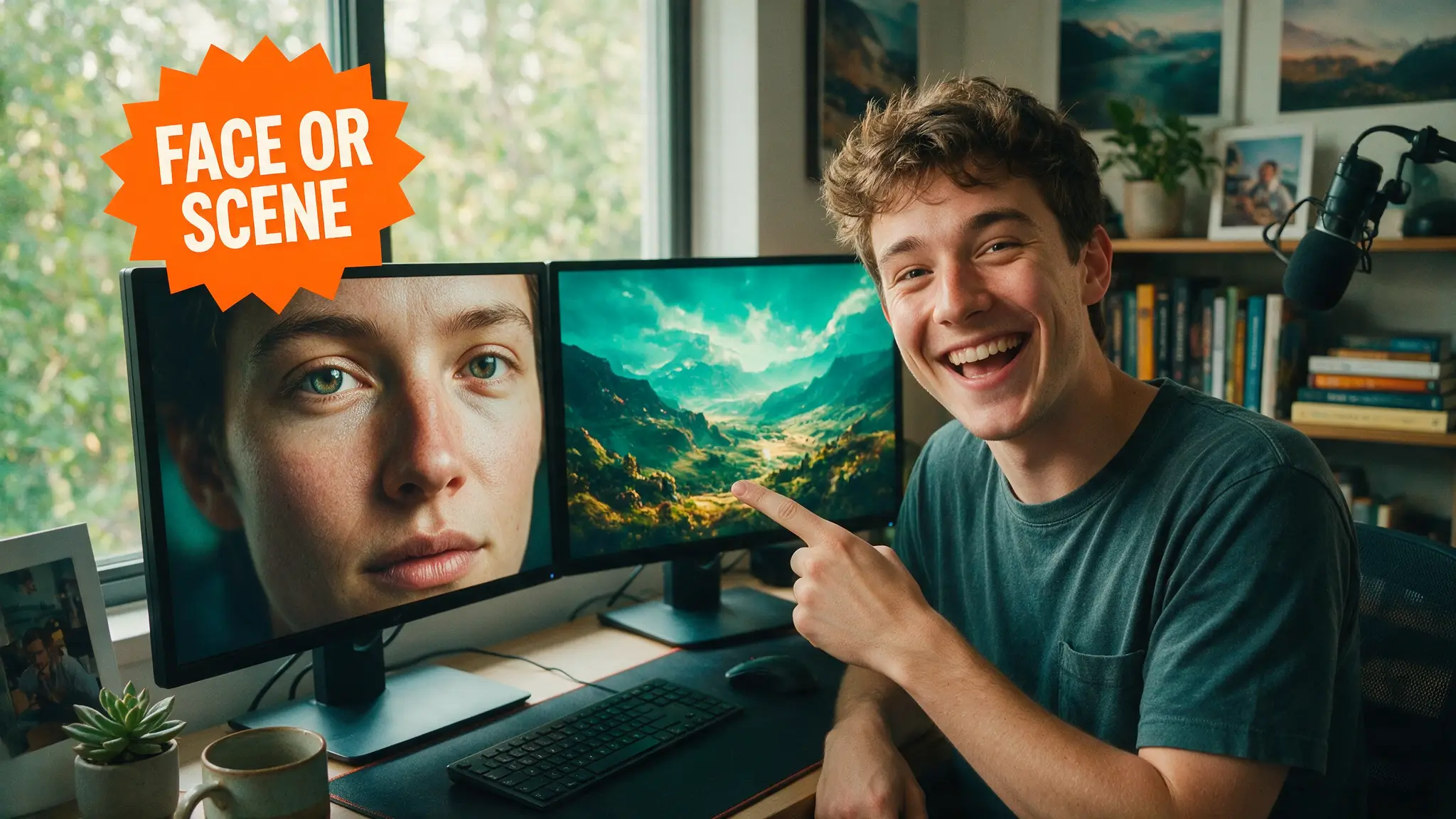
Meta shipped Muse Video on July 7, and the pitch landed hard with creators: upload photos of yourself, get videos of yourself, $19 a month. It debuted at #3 on the Arena text-to-video leaderboard. Meanwhile ByteDance's Seedance 2.5 arrived the same month aimed at an entirely different buyer.
We run Seedance daily in our own channel pipeline, so let's be precise about which tool wins which job — because the honest answer is that comparing them head-to-head is slightly the wrong question.
The 30-second verdict
- Muse Video: the identity pick. It exists to put a specific, recognisable human — usually you — into generated footage. Nothing else in this price bracket does that as directly.
- Seedance 2.5: the production pick. Native 30-second single-pass shots, up to 50 reference inputs, camera language, region-level edits. Built for ads, episodic work and volume.
Different tools. One synthesises a person, the other synthesises a scene.
By the numbers
- July 7, 2026 — Muse Video's launch date, arriving alongside Muse Image (ThursdAI release log)
- #3 on Arena text-to-video at debut; Muse Image landed #2 on the image board (same source)
- ~$19/month — Muse Video's reported creator-tier pricing
- 30 seconds — Seedance 2.5's native single-pass clip length, against roughly 8–15 seconds for most mainstream models
- 50 reference inputs accepted by Seedance 2.5 for character, product and style consistency
- ~$0.06/second — Seedance 2.0's API rate; 2.5 pricing was unpublished at launch
Where Muse Video genuinely wins
Face cloning at $19/month is a real unlock, and it's worth being clear-eyed about why: the hard part of putting a real person in AI video was never the video model, it was identity consistency across frames. Muse solves that by generating the likeness from your photo set rather than asking you to wrangle reference images shot by shot.
If your content depends on you being on screen — personal brand, talking-head hooks, influencer formats, UGC-style ads where a recognisable face sells the product — this is the shortest path that currently exists at consumer pricing.
There's a second, less obvious win: volume of variations. Once your likeness is registered, producing twenty variants of the same concept is cheap. That's a genuinely different workflow from re-rolling reference-conditioned generations and hoping the face holds.
A creator's first impressions of Muse Video, worth seeing before you upload a photo set:
Where Seedance 2.5 wins
Everything that isn't a face.
Our own production work is faceless — scenes, environments, characters that aren't real people — and for that, Muse Video's core feature is irrelevant while Seedance's feature set is the whole job:
Camera language. Seedance responds to shot grammar — push-ins, orbits, tracking, rack focus. You direct it. That's the difference between footage and content.
Reference discipline at scale. Fifty inputs means character sheets, product shots, style frames and location plates all attached to one generation. For serialized content this is the difference between a consistent series and twelve unrelated clips. Our Seedance 2.5 guide covers how we structure those reference sets.
The 30-second single pass. Real, and genuinely useful for deliberate moments — slow push-ins, POV walks, orbits. Two caveats we've learned the hard way, though: cut-heavy sequences still hold retention better than long takes, and a failed 30-second generation is expensive in a way a failed 8-second draft never is. Draft short, commit long.
The comparison nobody makes: they compose
The framing most posts miss is that these aren't substitutes. Muse Video generates a presenter; Seedance generates the world that presenter is cut against.
A working hybrid we've seen creators land on: Muse for the hook and direct-address segments, Seedance for the B-roll, demonstration shots and transitions, everything assembled in the edit with an ElevenLabs voiceover carrying continuity. That costs $19 plus per-second generation, and produces something neither model reaches alone.
How we picked and tested
We produce faceless AI video weekly on Seedance and have done since 2.0, which means our Seedance judgements come from production use, not a demo reel. Our Muse Video assessment is drawn from launch coverage, Arena leaderboard placement and creator reports — we have not yet run our own likeness through it, and we'll say so plainly rather than dress up secondhand impressions as testing. When we do, this page gets updated.
Everything in "By the numbers" is sourced or marked as unpublished. Where ByteDance hasn't confirmed something — 2.5 pricing, the native-4K question — we've said that instead of guessing.
Independent hands-on testing that includes checking the 4K claim directly against what actually renders:
The cut list
Skip Muse Video if: your content is faceless, you need directed camera work, you're producing at agency volume, or you're uncomfortable putting a biometric likeness into a Meta product. That last one is a real consideration and worth thinking through before you upload a photo set.
Skip Seedance 2.5 if: the entire value of your video is a specific recognisable person on camera, and you don't want to manage reference workflows to get there.
Pros and cons
Muse Video — for: genuine face cloning, flat consumer pricing, fast variation volume, strong Arena debut. Against: narrow use case, limited directorial control, likeness data sits with Meta, useless for faceless formats.
Seedance 2.5 — for: 30-second passes, 50 references, real camera language, region edits, production-grade consistency. Against: no native dialogue, unpublished 2.5 pricing, unverified 4K claim, steeper learning curve.
Verdict
If a real human face is the product, Muse Video at $19/month is the cheapest credible route to it that shipped in 2026.
For everything else — and for anyone building a repeatable content operation rather than a personal brand — Seedance 2.5 is the better tool, and it isn't close. It's the one we actually use.
If you're choosing between Seedance and the models that compete with it directly on production work, our Seedance 2.5 vs Veo 3.1 breakdown is the more useful comparison, and the best AI video generators guide covers the full field.
Frequently asked questions
▸Is Meta Muse Video better than Seedance 2.5?
They do different jobs. Muse Video builds a video around a specific person's face from uploaded photos — that is its entire reason to exist. Seedance 2.5 builds production shots with camera language, 30-second single passes and up to 50 reference inputs. If you need yourself on camera, Muse wins. If you need a scene, Seedance wins.
▸How much does Meta Muse Video cost?
Coverage of the July 7, 2026 launch puts it at roughly $19/month, positioned squarely at creators and influencers rather than studios. Seedance is typically bought through per-second API pricing or bundled platform credits — Seedance 2.0 ran around $0.06 per second. Verify both against current published rates before committing.
▸Can Seedance 2.5 clone a face like Muse Video?
Not the same way. Seedance holds identity through reference inputs — you attach character images and it keeps that character consistent across shots. Muse Video generates the likeness itself from a photo set. Reference consistency is a production technique; face cloning is a product feature.
▸Which is better for a faceless YouTube channel?
Seedance, comfortably. Faceless formats need scenes, B-roll and camera movement, not a synthesised presenter. Muse Video's advantage only matters when a recognisable human face is the point of the video.
The 5 best AI video finds, every week
New models, tested prompts, and what actually worked in our production — one short email a week. No spam, unsubscribe anytime.
Written by Jordan Reyes
AI Video Producer
Runs multiple faceless YouTube channels and tests every major AI video model against the same prompts before recommending one. Tracks render time and credit cost like other people track calories.
Explore these topics
Every guide, comparison and prompt library we have on each.
Keep learning


Seedance · Workflow & Craft
 Comparisons
Seedance 2.5 vs Sora 2 (2026): Which One Should You Use?
OpenAI's Sora 2 against ByteDance's Seedance 2.5 — clip length, references, audio, cost per finished second, and which one survives real production work.