🎬 AI UGC Ads: How Brands Get 100 Creatives a Week (2026)
We tested the AI UGC ad pipeline brands use to ship 100 creatives a week: avatar tools, native audio, hooks, disclosure rules, and real rates.

Jordan Reyes · AI Video Producer
· 4 min read
⚡ TL;DR — quick answers
- Do AI UGC ads need to be disclosed as AI-generated?
- There's no single federal rule mandating an on-screen 'AI-generated' label yet, but the FTC's Endorsement Guides already require clear disclosure of material connections between a brand and any spokesperson, human or synthetic, and several platforms are adding their own AI-content labels — check the current policy before you launch.
- Is HeyGen or Synthesia better for UGC-style ads?
- HeyGen tends to edge out on avatar naturalness and faster iteration for short vertical hooks, while Synthesia leans enterprise with stronger brand controls; we break down the full test in our [Synthesia vs HeyGen comparison](/compare/synthesia-vs-heygen).
- How much does a batch of 100 AI UGC ad creatives actually cost?
- Between avatar-tool credits, a paid TTS/voice-clone tier, and stock footage or b-roll, most solo operators land in the low-to-mid hundreds of dollars per week for 100 variants — see our full breakdown in [what AI video really costs](/guides/ai-video-cost-breakdown).
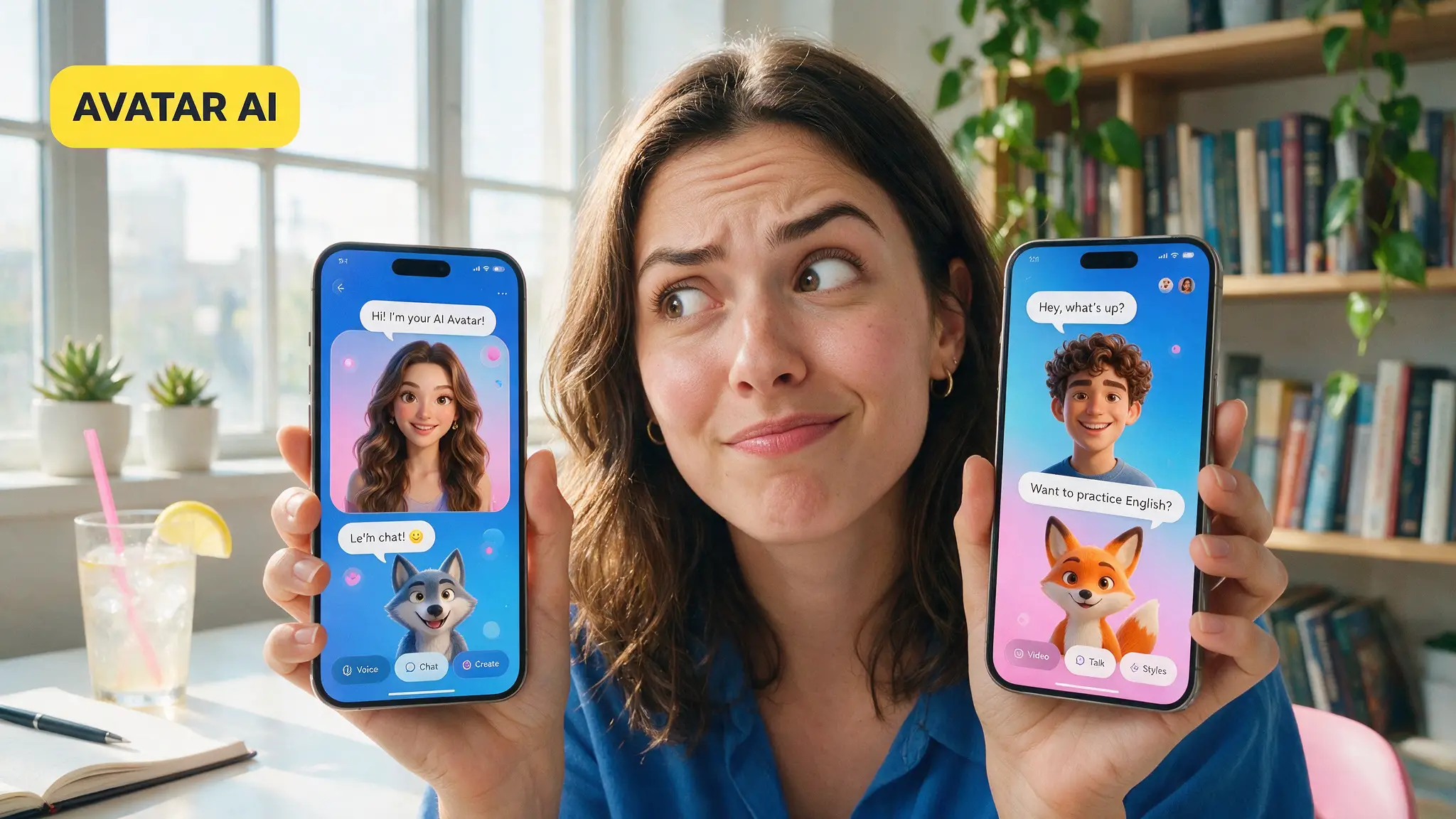
"AI UGC ads" is the term performance marketers use for ad creative that looks like a real person's phone-shot testimonial or unboxing video, but was generated (fully or partially) with AI avatars, cloned voices, and stock or AI-rendered footage. In our experience running faceless YouTube channels and testing ad tools with real spend, this is the fastest-growing corner of AI video production because it maps directly onto a metric performance marketers already obsess over: creative fatigue. Facebook and TikTok ad accounts burn through winning hooks in days, and the brands winning right now aren't the ones with the best single ad — they're the ones who can ship 80-100 variants a week and let the algorithm pick winners.
What "AI UGC ads" actually means
Real UGC ads work because they don't look like ads — a person talking into a front-facing camera, imperfect lighting, a genuine-sounding hook in the first two seconds. AI UGC ads try to replicate that texture using synthetic actors. The pipeline usually stacks three layers: an AI avatar or talking-head model for the "person," a native-audio or TTS voice for the script, and a hook/script variation engine (often just a spreadsheet and a human) that spins one core offer into dozens of angles. None of this is one tool — it's a line.
The production line: how brands hit 100 creatives a week
| Stage | Tool type we've used | What it produces | Rough time per batch |
|---|---|---|---|
| Script/hook variation | LLM (local or API) | 20-30 hook variants from one offer | 20-40 min |
| Avatar delivery | HeyGen / Synthesia | Talking-head footage per script | 1-3 min render per clip |
| Voice/VO | ElevenLabs, native-audio video models | Cloned or stock voice matched to avatar | Instant to a few min |
| B-roll/insert shots | Seedance, Kling, or stock | Product cutaways | 5-15 min per clip |
| Assembly + captions | Capcut/Premiere + auto-caption | Final vertical export | 2-5 min per edit |
Multiply that out across a team of two or three, and 100 finished 15-30 second vertical ads a week is realistic — not effortless, but realistic, especially once templates are locked.
By the numbers
- The FTC's Endorsement Guides (16 CFR Part 255) require "clear and conspicuous" disclosure of material connections in advertising — including AI-generated spokespeople — see ftc.gov's guidance.
- Meta's Ad Library archives every ad running on Facebook and Instagram, so any AI UGC creative is publicly viewable by regulators and competitors alike.
- TikTok requires brands and creators to disclose paid partnerships through its Branded Content settings, documented on TikTok for Business.
- HeyGen and Synthesia both publish tiered, credit- or minute-based pricing on their own sites — HeyGen pricing and Synthesia pricing — and both change often enough that we'd always check current numbers before budgeting a monthly spend.
Avatar tools: HeyGen, Synthesia, and native-audio video models
HeyGen and Synthesia remain the two names brands default to for avatar-led UGC ads, and we've stress-tested both with real scripts and real credit spend — the full verdict lives in our Synthesia vs HeyGen comparison. In short: HeyGen's avatars move and blink more naturally on short vertical clips, which matters when the whole pitch is "this looks like a real person." Synthesia's strength is control — brand kits, multi-language dubbing, and enterprise permissions that matter once more than one person is touching the ad account.
A newer wrinkle is native-audio video models (Veo, Sora 2, Seedance) generating a spokesperson-style clip with lip-synced dialogue baked in from a single prompt, skipping the avatar-tool step entirely. We don't think they've replaced dedicated avatar tools for UGC yet — likeness consistency across a 100-creative batch is still avatar tools' job — but for one-off hooks they're worth testing, and our Sora 2 prompt library has templates that translate well to ad hooks.
Step-by-step: our actual weekly workflow
- Write one core offer/script, then use an LLM to spin 15-25 hook variations (pattern interrupts, pain-point openers, "POV:" style hooks).
- Batch-generate avatar clips in HeyGen or Synthesia against each hook script, keeping the same avatar for brand consistency.
- Layer voice — either the avatar tool's native voice or a cloned voice from ElevenLabs for a more natural read; our ElevenLabs v3 guide covers the settings that avoid the flat "TTS read" tone.
- Cut in 1-2 product b-roll inserts per ad, either stock footage or AI-rendered cutaways.
- Auto-caption, add a text-hook overlay for the first second, export vertical.
- Push all variants into the ad account as a single campaign with automatic budget optimization on, and kill anything under threshold after 48-72 hours of spend.
Compliance and disclos
Frequently asked questions
▸Do AI UGC ads need to be disclosed as AI-generated?
There's no single federal rule mandating an on-screen 'AI-generated' label yet, but the FTC's Endorsement Guides already require clear disclosure of material connections between a brand and any spokesperson, human or synthetic, and several platforms are adding their own AI-content labels — check the current policy before you launch.
▸Is HeyGen or Synthesia better for UGC-style ads?
HeyGen tends to edge out on avatar naturalness and faster iteration for short vertical hooks, while Synthesia leans enterprise with stronger brand controls; we break down the full test in our [Synthesia vs HeyGen comparison](/compare/synthesia-vs-heygen).
▸How much does a batch of 100 AI UGC ad creatives actually cost?
Between avatar-tool credits, a paid TTS/voice-clone tier, and stock footage or b-roll, most solo operators land in the low-to-mid hundreds of dollars per week for 100 variants — see our full breakdown in [what AI video really costs](/guides/ai-video-cost-breakdown).
The 5 best AI video finds, every week
New models, tested prompts, and what actually worked in our production — one short email a week. No spam, unsubscribe anytime.
Written by Jordan Reyes
AI Video Producer
Runs multiple faceless YouTube channels and tests every major AI video model against the same prompts before recommending one. Tracks render time and credit cost like other people track calories.
Explore these topics
Every guide, comparison and prompt library we have on each.
Keep learning

Faceless YouTube · Workflow & Craft
 Comparisons
Pictory vs InVideo AI (2026): Script-to-Video Tool Tested
Pictory turns what you've already written into a video. InVideo builds one from a prompt. We compare pricing, output quality, and which fits a faceless channel.